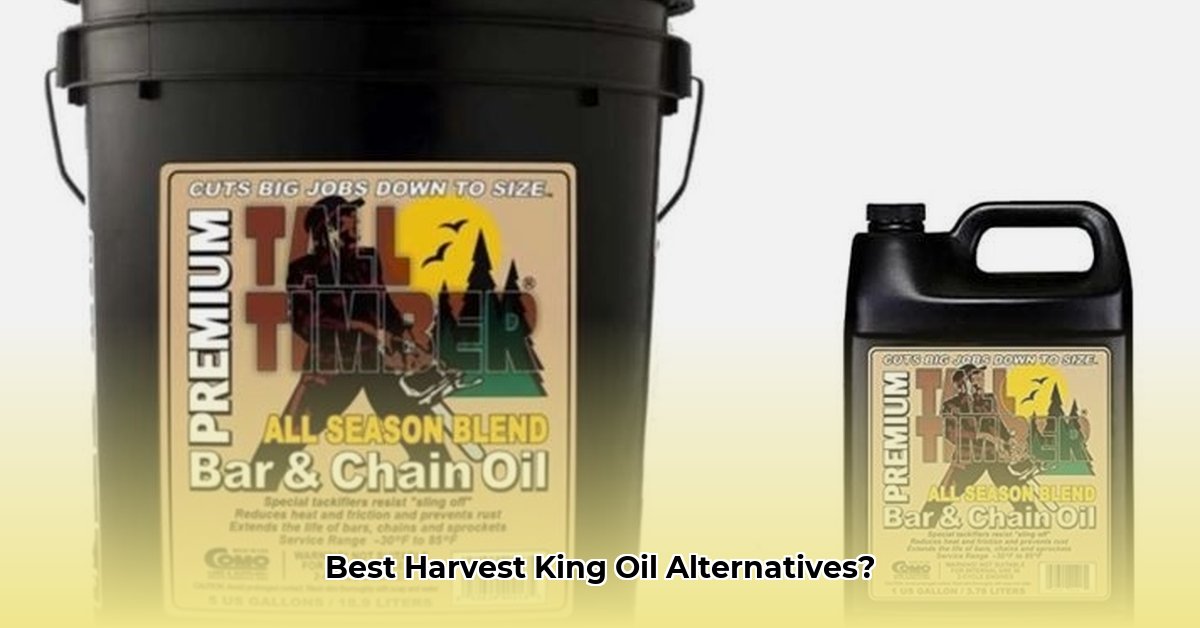
Finding the right chainsaw oil can be tricky, especially with reports of declining quality from familiar brands like Tractor Supply Co. (TSC). For more information on Tractor Supply Co. chainsaw oil, see this helpful resource: TSC Chainsaw Oil Guide. This guide helps you navigate the changing landscape of bar and chain oil, offering practical advice and solutions for both professional arborists and weekend woodworkers. We’ll explore why your current oil might be underperforming, compare different brands (including Harvest King), and provide a step-by-step guide to choosing and using the right oil.
Understanding the Challenges with Chainsaw Oil
Many users report a decline in the performance of bar and chain oils, particularly those sourced from TSC. Common complaints include thinner consistency, reduced adhesion to the chain, and less effective lubrication. This isn't just inconvenient; it significantly impacts chainsaw performance, longevity, and maintenance costs. Have you noticed similar issues? This isn't just an issue for hobbyists; professional arborists are also experiencing these difficulties.
Why High-Quality Chainsaw Oil is Crucial
Using the correct chainsaw oil is paramount for optimal performance and preventing costly repairs. Good oil minimizes friction, reducing heat buildup and premature wear and tear. The oil's tackiness is equally vital, ensuring it clings to the chain during cutting, even in demanding conditions. Poor lubrication can lead to increased wear on your chain and bar, necessitating more frequent sharpening, replacements, and potentially expensive repairs. Isn't it worth investing in quality to avoid these issues?
Exploring Chainsaw Oil Alternatives: Beyond Tractor Supply Co.
Given the reported decline in quality from some brands including those at TSC, finding reliable alternatives is essential. Harvest King is one popular brand gaining traction, but others, like Husky and Itasca, also offer viable options. Consider these key factors when selecting a new oil:
Viscosity (Thickness): This impacts flow rate and adhesion. Thinner oils are easier to pump but may offer less protection, while thicker oils provide better adhesion but might flow poorly in cold weather. The optimal viscosity depends on factors such as temperature and the type of wood being cut.
Tackiness (Adhesion): This refers to the oil's ability to cling to the chain. Good tackiness is essential for consistent lubrication, extending the life of your chain and bar. Did you know that improved tackiness can reduce oil consumption by up to 15%?
Price: While cost is a factor, remember that a lower-priced oil that quickly wears out your equipment can be more expensive in the long run due to increased maintenance and replacement costs.
Harvest King is often praised for its balanced viscosity and tackiness, making it a suitable option for various applications.
Sourcing Your New Chainsaw Oil: Where to Find Quality Alternatives
Don't limit yourself to TSC. Explore other retailers such as Ace Hardware, Rural King, and Menards, which often carry a diverse selection of chainsaw oils. Online retailers, like Amazon, provide broader choices and allow for easy comparison based on user reviews and specifications. Online reviews can be an invaluable resource; however, always critically assess the source and look for patterns.
Switching to New Chainsaw Oil: A Step-by-Step Guide
Switching oils isn't simply about buying a new bottle. Follow these steps for a smooth transition:
Thorough Research: Read reviews, compare specifications (focusing on viscosity and tackiness), and investigate reputable brands. Consider user feedback from multiple sources. How many reviews should you analyze before making a decision? A general consensus emerges with at least 20 reviews.
Assess Your Needs: Consider factors like the type of wood you typically cut, local temperatures, and the intensity of your use. This helps determine the appropriate viscosity.
Small-Scale Test: Trial your new oil on a smaller project before committing entirely. This allows for performance evaluation before larger tasks.
Performance Comparison: Monitor the new oil's performance against your previous oil, noting differences in chain smoothness, lubrication frequency, and overall equipment wear.
Adjustment and Refinement: Based on observations, you might need to adjust your oil application frequency.
Remember, finding the best oil may involve some trial and error.
Sustainable Forestry and Chainsaw Oil: A Broader Perspective
The quality issues surrounding chainsaw oil highlight the need for sustainability in forestry practices. Reliable and affordable supplies are crucial for both environmental responsibility and economic viability. Consider these approaches:
Supplier Diversification: Avoid relying solely on one supplier. This safeguards against shortages or quality fluctuations.
Eco-Friendly Options: Explore bio-based or sustainable lubricants that minimize environmental impact. Research in this area is ongoing, resulting in numerous innovations.
Preventative Maintenance: Regularly maintaining your chainsaw (sharpening the chain, proper lubrication) extends its life and reduces oil consumption. Did you know that regular maintenance can extend the lifespan of a chainsaw by up to 20%?
Choosing the right chainsaw oil is vital for efficient and responsible forestry. By systematically exploring options and considering sustainability, you can make informed decisions and contribute to more environmentally conscious practices.
Best Chainsaw Bar Oil for Pine Cutting
Pine resin poses a unique challenge, demanding a robust lubricant capable of resisting buildup. The best oil for pine cutting is one that effectively cleans and lubricates, preventing friction and damage.
Selecting the Right Oil for Pine: Key Considerations
Several factors influence oil suitability for pine cutting:
Viscosity: Higher viscosity grades offer superior resin resistance but may impede chain movement in cold conditions. Lower viscosity grades flow easily but offer less protection. Finding the right balance is key.
Additives: Look for detergents and antioxidants to enhance cleaning and prevent oxidation. These additives are crucial for tackling the sticky nature of pine resin.
Step-by-Step Guide to Oil Selection and Application for Pine
Consult your chainsaw's manual: Start with the manufacturer's recommendations for oil specifications.
Assess your pine cutting needs: Consider frequency and intensity of use, as well as environmental conditions such as temperature.
Compare oil characteristics: Analyze viscosity grade, additive packages, and temperature suitability.
Choose a suitable oil: Select an oil that surpasses the minimum requirements and effectively handles resin.
Regular maintenance: Maintain a full oil reservoir and regularly clean the bar and chain to maximize performance.
Choosing the right oil is essential for optimal chainsaw performance and longevity especially when tackling challenging woods like pine. Remember that consistent maintenance prolongs the life of your equipment and avoids costly replacements.